

The world wide travel industry has observed an obvious shift toward experiential luxurious, where privacy, exclusivity, and immersive design take concern over mainstream accommodations. In recent years, people seeking enhanced ease have significantly favored Palafitos Overwater Bungalows All-Inclusive as a standard of increased hospitality. Business data suggests that overwater rooms report up to 35% higher visitor satisfaction scores in comparison to standard beachfront resorts, signaling a clear modify in tourist expectations. To know more visit www.palafitosmaroma.com.
One of the most frequent criteria tourists discover is excatly why overwater bungalows have become so popular in the premium segment. Vacation analytics suggest that more than 608 of luxury tourists prioritize distinctive architectural activities around room measurement alone. Overwater patterns deliver strong sea entry, breathtaking views, and acoustic solitude, that contribute to lengthier average remains and higher return-visit rates.
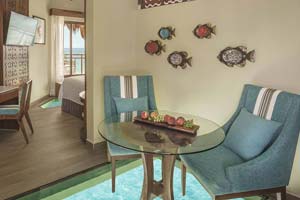
Yet another frequent position of curiosity is the value proposition of an all-inclusive model. Based on hospitality spending studies, travelers applying all-inclusive offers reduce accidental expenses by nearly 28% while increasing participation in on-site activities such as for instance wellness applications, individual dining, and water activities. This organized pricing model speaks particularly to international visitors who choose financial predictability without limiting service quality.
Visitors also tend to ask how processed travel experiences impact overall pleasure and wellness. Mathematical wellness tourism studies show that rooms surrounded by water environments can lower noted strain degrees by approximately 20%. Overwater controls enhance that effect by combining physical relaxed with architectural openness, developing a balanced environment that aligns with modern wellness vacation trends.
Another critical topic revolves about sustainability and responsible tourism. Data from worldwide hospitality audits demonstrate that newer overwater developments increasingly combine eco-conscious components and energy-efficient systems. Significantly more than 45% of luxury tourists now consider environmental obligation a deciding factor when booking premium hotels, making sustainable design not merely an ethical decision but a strategic one.
Travelers usually consider whether overwater rooms are suitable for lengthier stays. Booking conduct statistics reveal that visitors in overwater bungalows expand their stays by on average 1.7 evenings in comparison to common resort rooms. This tendency is attributed to enhanced solitude, reduced noise publicity, and customized solutions that support expanded rest without fatigue.
Still another section of interest is service quality and personalization. Hospitality efficiency information shows that high-end overwater resorts obtain visitor support rankings exceeding 90% satisfaction when staff-to-guest ratios are optimized. Individualized food, tailored adventures, and personal amenities lead straight to these large engagement metrics.
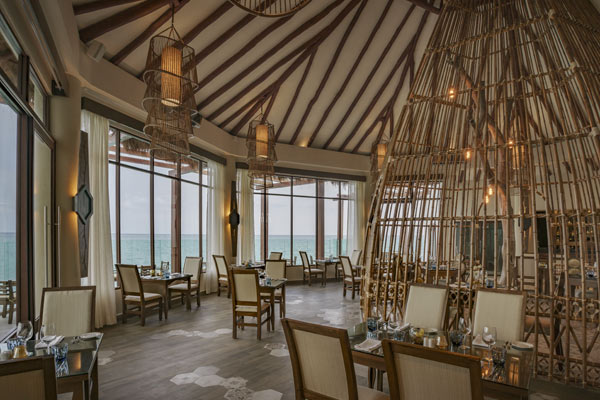
Safety and availability are also usually examined by travelers. Modern overwater structures are engineered using advanced marine construction standards, with protection submission charges similar to land-based luxury resorts. Visitor surveys continually position perceived safety over 88%, reinforcing confidence in that accommodation style.
From the broader industry perspective, luxurious journey studies prediction that overwater rooms may develop at an annual rate of around 12% within the premium resort segment. That growth shows not only need but additionally developing explanations of what constitutes a enhanced travel experience.
To conclude, overwater all-inclusive bungalows represent a measurable development in luxury travel. Guaranteed by guest pleasure data, wellness statistics, and sustainable design traits, they continue to set new standards for travelers seeking privacy, comfort, and meaningful activities without compromise.